Follow a question.

Type a few words to explore.

A contemporary AI portrait of Danni, based on her supplied photograph, looking thoughtfully toward the light
Portrait interpretation, based on my photograph
Danni Wang / About

A little
about me.

I make things for people I take the time to know.

Things I've noticed, questions I've followed, and things I've made along the way.

My path, in briefSame curiosity.
New journeys.
01 / About

The conventional introduction

I studied economics and mathematics at Yale and earned my MBA at Wharton.

Yale's liberal arts education took me well beyond my majors. Working with historians, I learned to approach large historical events through the lives of ordinary people, using oral histories and primary sources. Studying different societies and cultures also made me curious about how differently the same history could be understood depending on whose perspective we followed.

I spent twelve years at McKinsey, solving complex business problems, developing technology and analytics products, advising senior leaders, and leading multidisciplinary teams.

Much of the work depended on building relationships and getting to know the people making consequential decisions. I wanted to understand what mattered to them, the pressures they faced, and what kept them up at night.

My work involved developing recommendations for consequential decisions, helping executives communicate with their boards and organizations, and translating complicated information into something people could understand and act upon.

I also spent a great deal of time interviewing people, coaching younger colleagues, learning unfamiliar industries, and working with people whose backgrounds and perspectives differed from my own.

It was an extraordinary education.
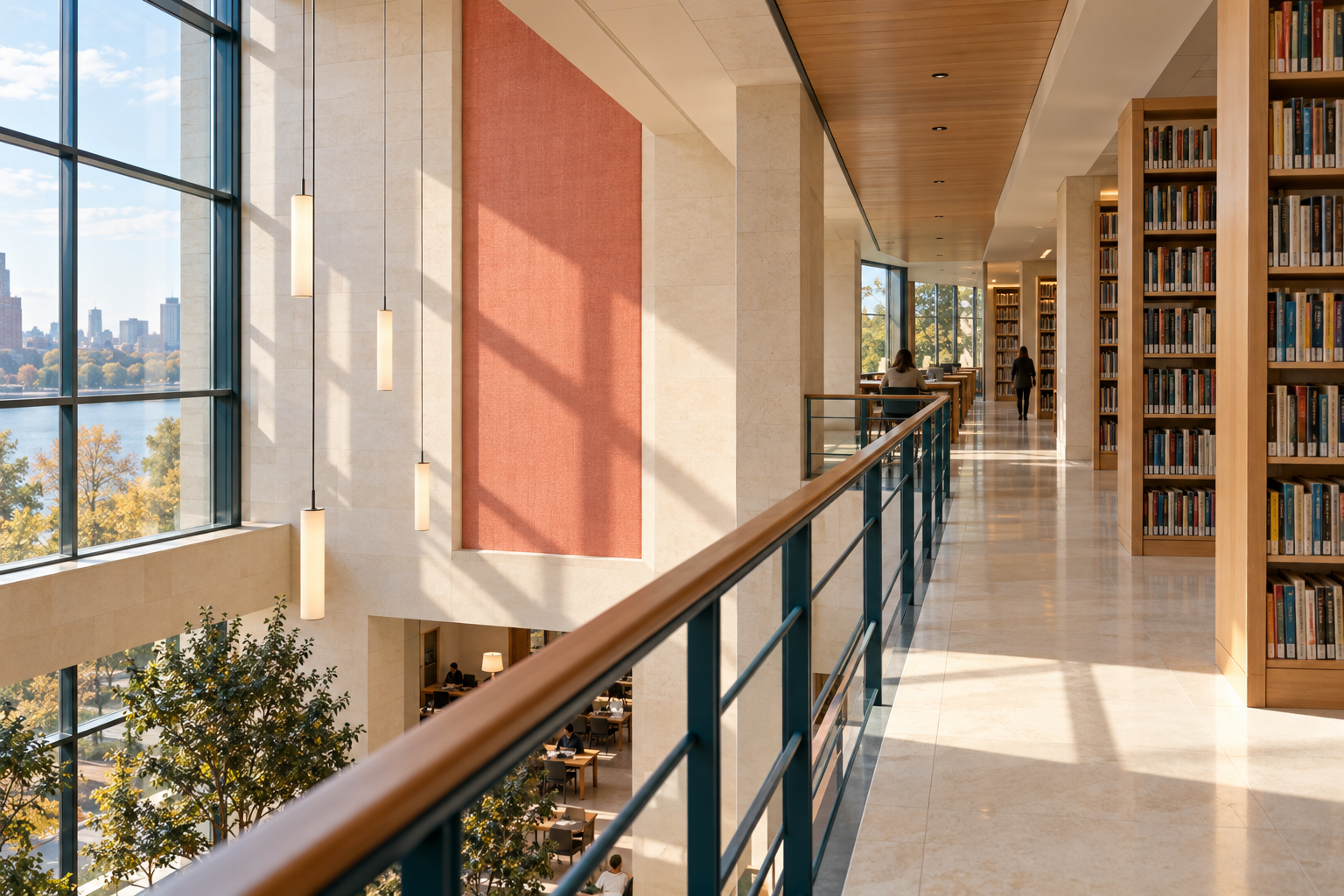
An illustrative contemporary library, with daylight, receding shelves and a coral architectural plane
LearningEconomics, mathematics.
Then an MBA.
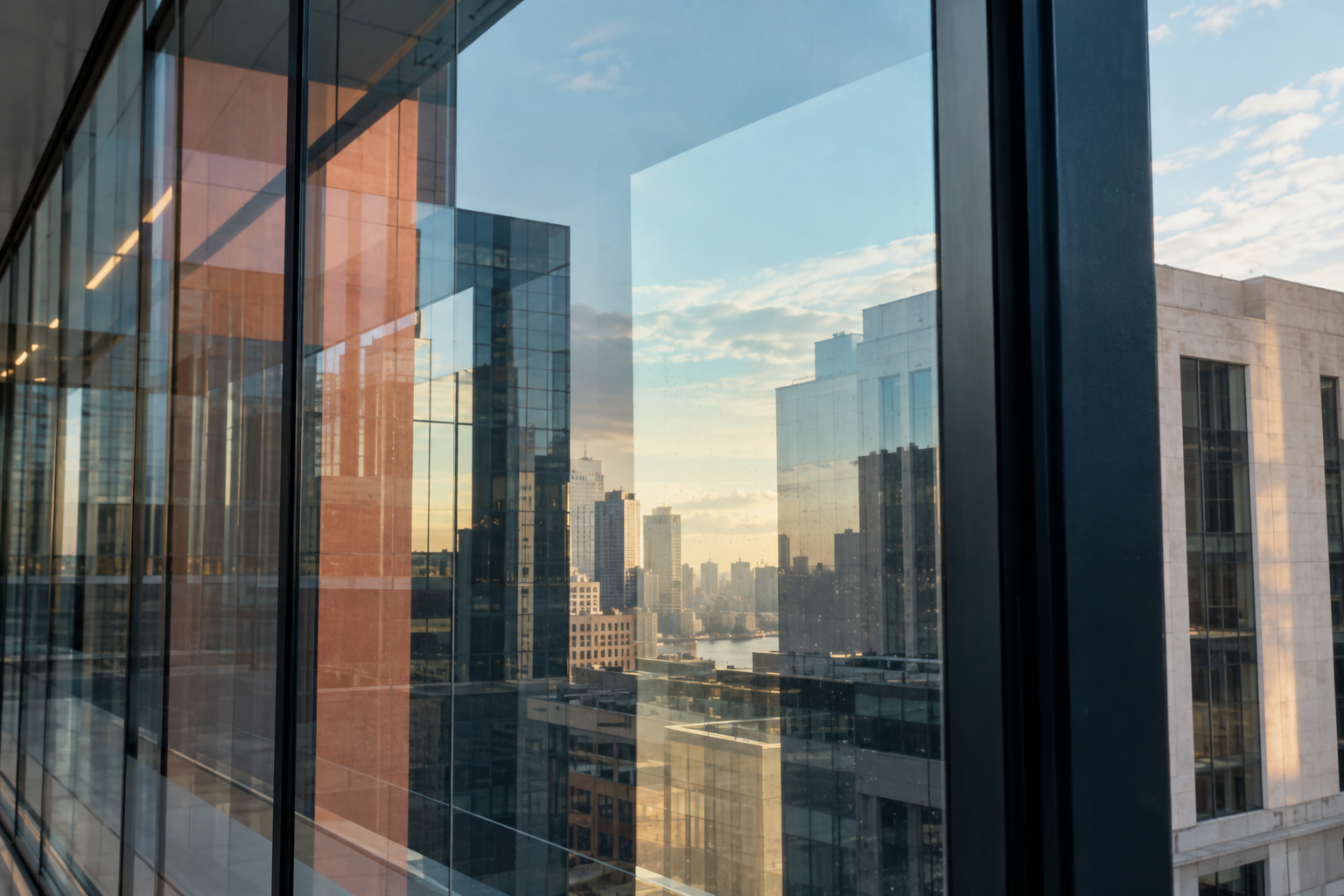
An illustrative city seen through intersecting glass reflections, warm stone and pale-blue sky
Professional lifeComplicated problems.
Different perspectives.
A continuing thread

I start
asking
questions.

Two Dots, One Line
02 / About

What I learned about problems

One of the most useful things I learned in consulting was how to begin when very little was known.

Sometimes the client couldn't fully articulate the problem. Sometimes I was entering an unfamiliar industry or working with technology I had never used before.

I learned to ask questions, identify promising leads, challenge assumptions, and build an understanding as I went.

I also learned that a plausible answer isn't necessarily a good answer.

Some of the most interesting discoveries come after you've stopped accepting the obvious explanation.

Over time, I've developed a particular fondness for problems that don't yet have a clear shape.

03 / About

What I enjoy

I love meeting unfamiliar people.

I get much the same pleasure from encountering an unfamiliar book, a historical period I know little about, a piece of music, or a discipline I've never studied.

I start asking questions.

Who made this? What were they trying to do? What was happening around them? Why does this particular detail interest me? Where have I encountered something similar before?

Quite often, the connections I find are between things that appear to have very little in common.

I don't especially enjoy repeating work I've already mastered. I like the part where I'm still learning, when I don't know exactly what I'm looking for, and when a new discovery changes the direction of the investigation.

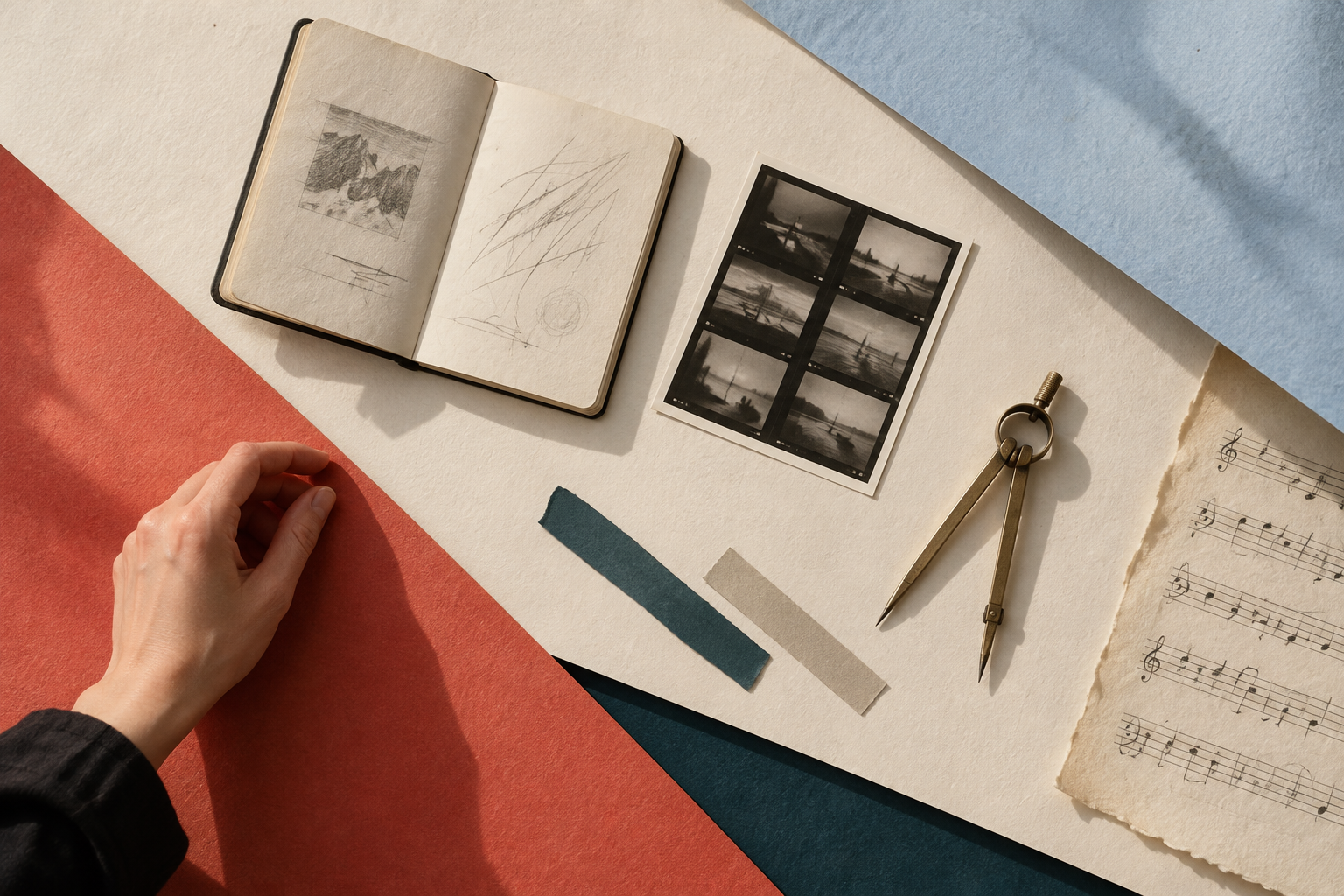
An overhead illustration of paper, a notebook, photographic prints, music and a drawing instrument meeting in one creative composition
Creative practice / Illustration
04 / About

What AI changed for me

For much of my career, pursuing an interesting idea meant assembling the necessary people, expertise, resources, and technology.

AI has changed what I can undertake independently.

Over the past two years, I've developed my own software, specialized agents, research workflows, and creative production tools.

I can now move between historical research, writing, music, visual design, filmmaking, software, and interactive experiences without having to establish a separate production team for every project.

I can carry the work from our first conversation to the final edit myself. A detail I notice while listening can shape the research, the writing, an image, or a musical phrase.

I'm fascinated by the freedom this creates.

I still need to decide what deserves attention, which evidence can be trusted, what would make an interesting experience, and when a technically competent result falls short of what I'm trying to express.

The technology makes it possible for me to pursue many more ideas.

And I have no shortage of ideas.

05 / About

Why I changed
direction

I began asking myself what I wanted to do with the capabilities AI was making possible.

We devote extraordinary intellectual resources to helping large organizations make decisions, improve operations, and create economic value.

Meanwhile, there are things in our personal lives that matter deeply but rarely become urgent enough to receive sustained attention.

Understanding our parents. Investigating a family mystery. Learning something we've always wondered about. Preserving a place that no longer exists. Creating something for someone we love.

These things often require time, research, imagination, and emotional energy. So we put them off.

I wondered what would happen if I brought the professional standards and technical capabilities I'd developed over my career to individual people and families.

I began with my own family.

A history professor at Yale had once suggested that I investigate our family's oral history. It took me more than twenty years to follow that advice. My grandfather's notes in an old family album gave me names, places, and events I wanted to understand. One question led to another.

Then I started meeting people I didn't know.

I'm still discovering what this work might become.

Selected WorkHow I workStart a conversation

Portrait created from my photograph. Supporting scenes are illustrations.