My friend is full of life. He loves music, especially jazz and big bands. When we played Glenn Miller, he immediately began demonstrating the dance steps he remembered. And I kept noticing something else: when music came on, his hands and his feet wanted to join in. He would find the beat with both.
I initially imagined Don’t Cry, My Friend as something like an old Disney lullaby. I was thinking of the tenderness and simplicity of A Home in the Meadow, of a melody that could be sung softly to someone. There is something touching about singing a lullaby to an older friend whose life contains so much more time and experience than my own.
I wanted to keep that tenderness. I also wanted to write something that would make it almost impossible to keep your hands and feet still.
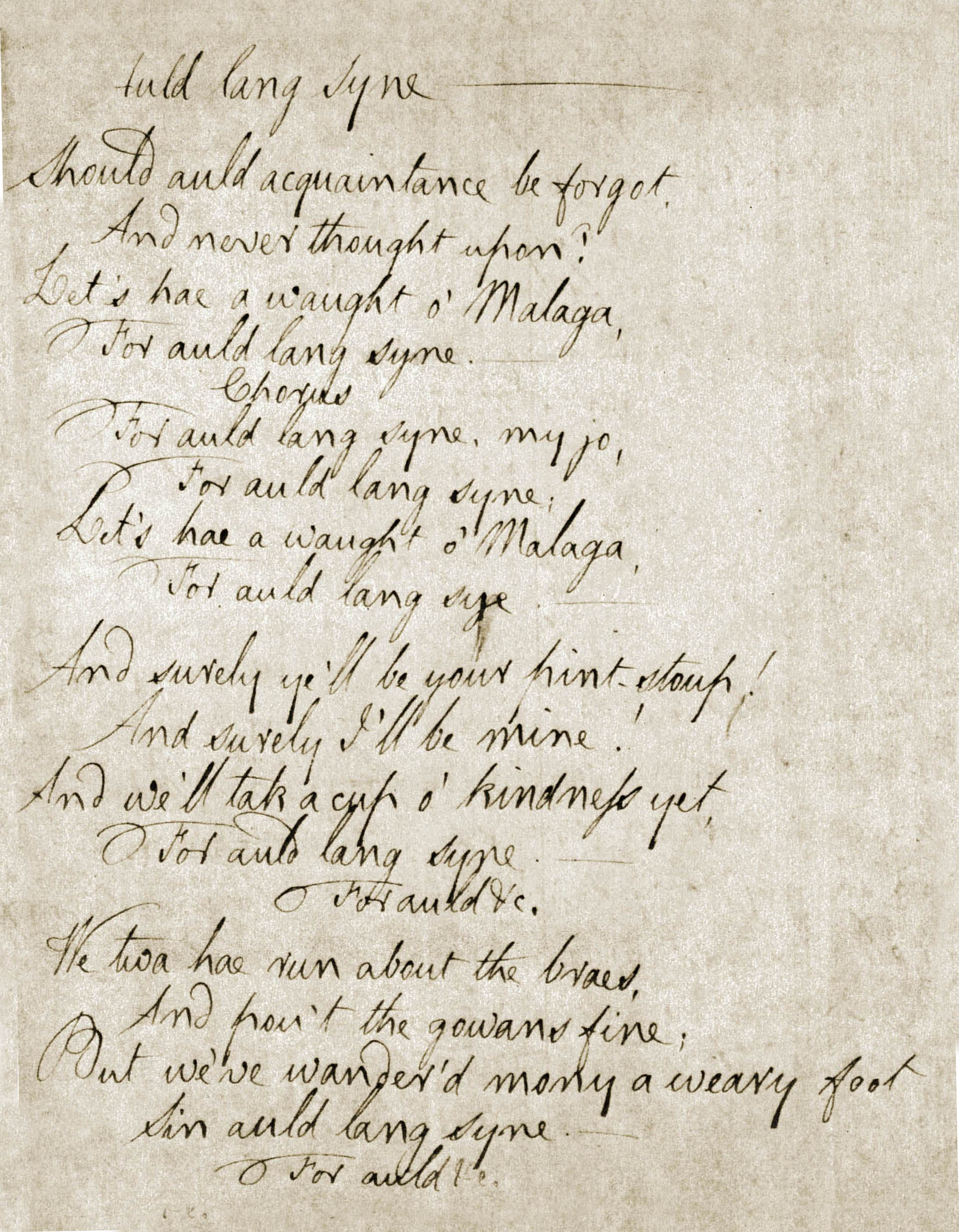
My thoughts moved toward Auld Lang Syne, Scottish and Irish folk music, and eventually Indian music and Bollywood. I was drawn to the expressive turns, slides, and ornaments that make a melody feel alive, almost as though the notes are leaning into one another. I wanted to explore what might happen if those melodic traditions met.
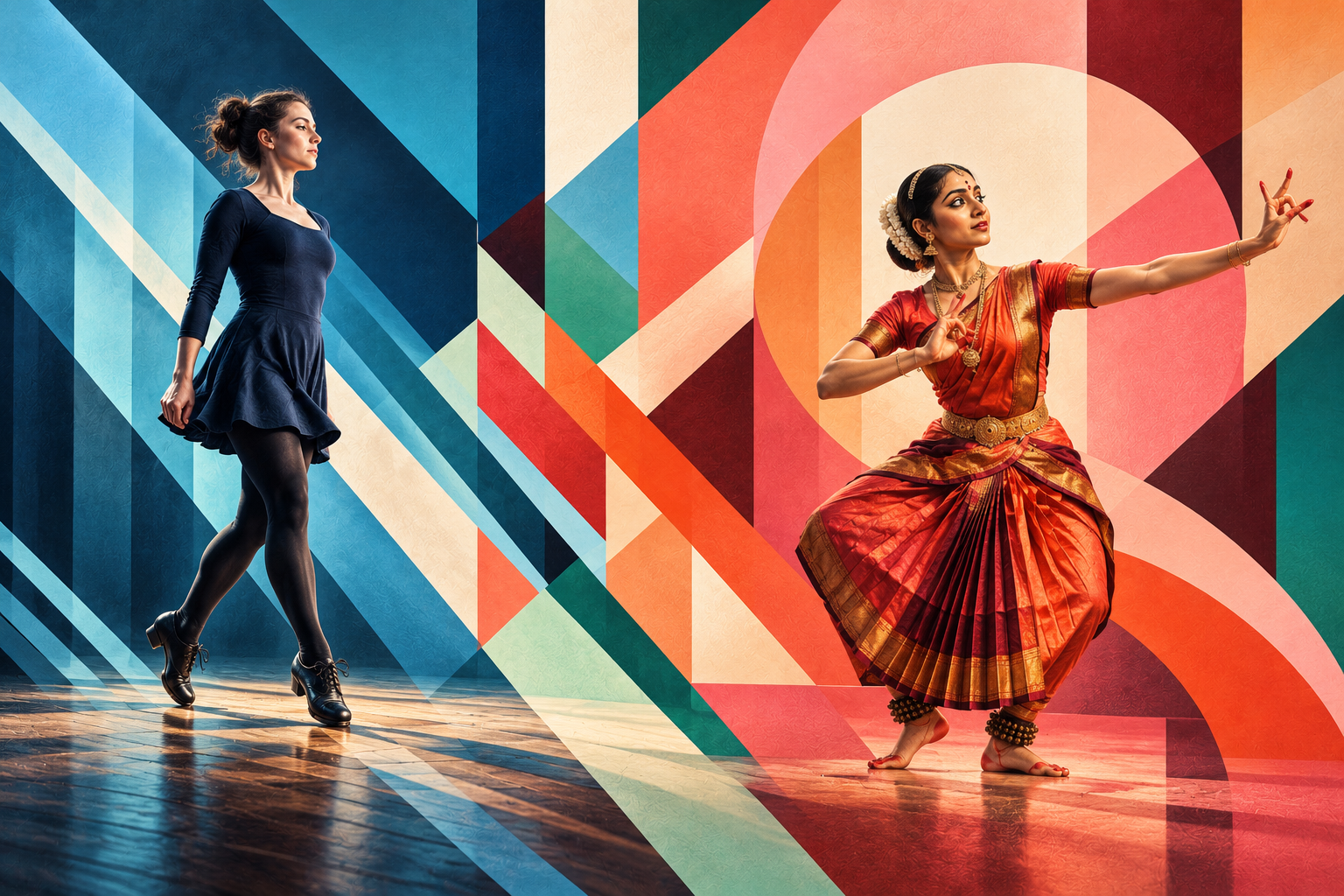
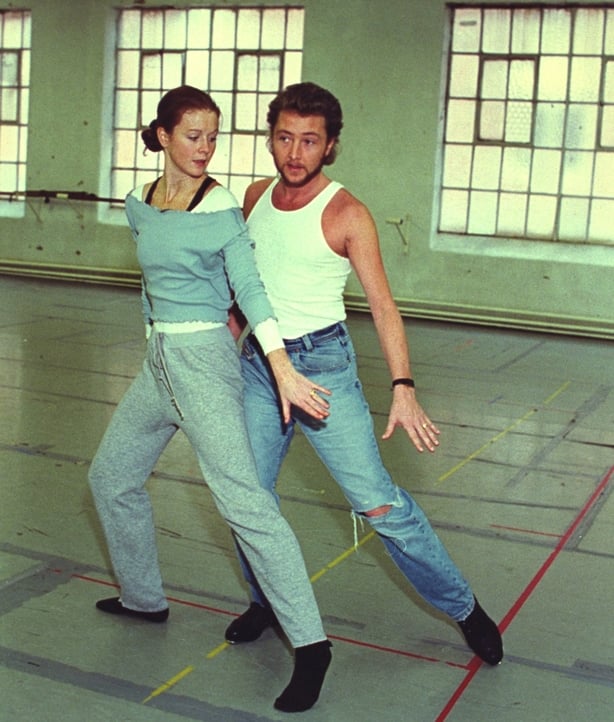
Then the dancing gave me a more specific idea. In the Irish step dancing I was thinking of, the feet do something astonishing while the upper body stays so composed. The arms are held close to the sides. All that energy comes through the legs and shoes.
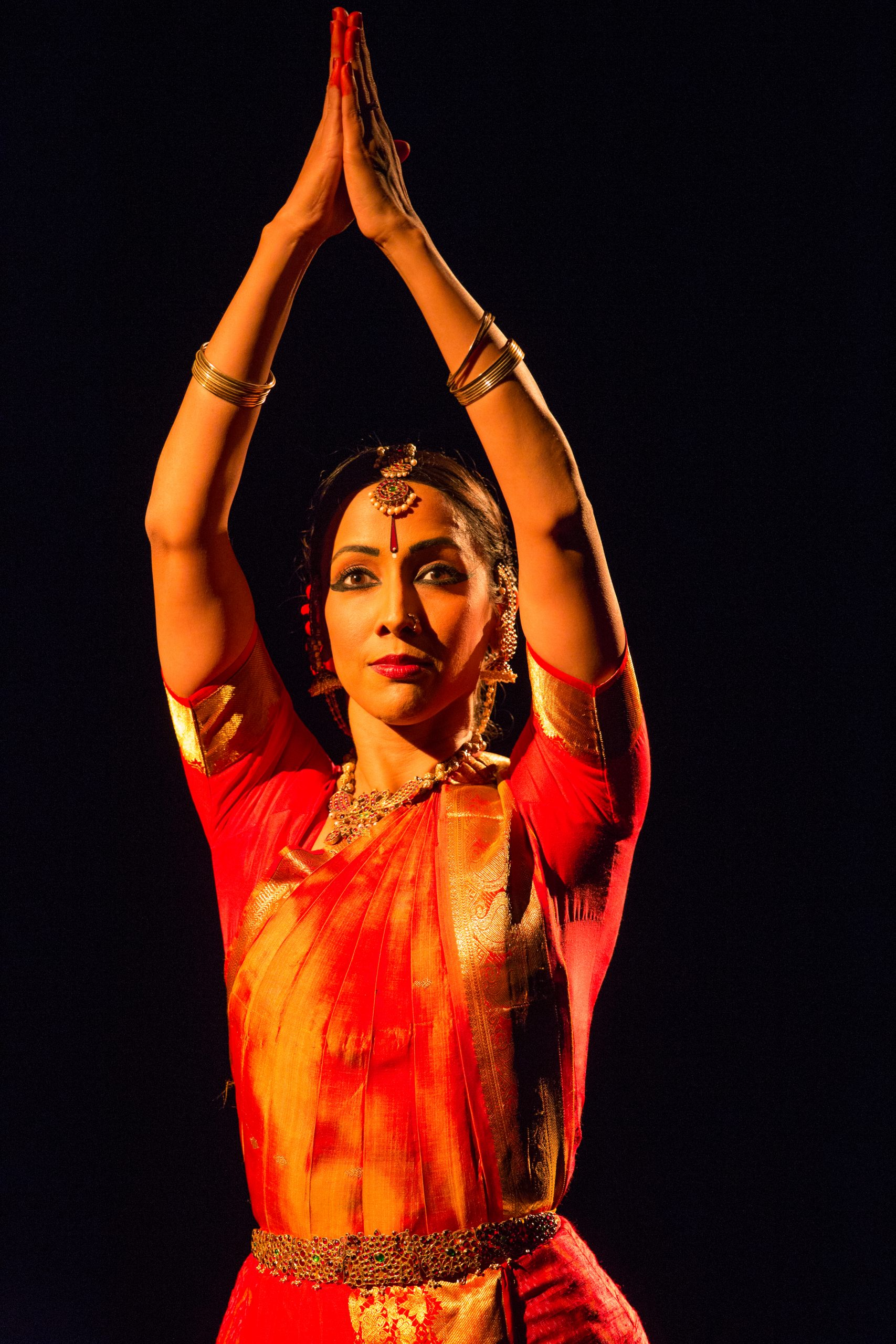
The Indian dance images in my mind were full of hands, arms, eyes, facial expression. I found myself attending to a different part of the body. And I thought: what if I brought those two impulses together? The feet could have their rhythmic conversation while the hands and face had something of their own to say.
The feet keep talking
The hands and eyes answer
Now I could imagine the music beginning with one person singing softly, then gradually finding more movement: Celtic pipes and fiddle, Indian flute and strings, tabla answering Irish dancing feet, handclaps joining in. I wanted the tune to keep its affection as the room grew livelier. My friend’s way of listening had given me a reason to try a combination I would not have arrived at by choosing a genre first.
Don’t Cry, My Friend · Opening
Lyrics
Don’t cry, my friend,
come walk with me.
You’ve seen some roads
I’ve yet to see.
You gave me names,
you gave me songs.
You showed me where
the years belong.
I also wanted the lyrics to feel as natural as a song remembered from childhood: short, melodic phrases, a refrain one can sing after hearing it once, and enough space for the instruments to carry the emotion. The words should be affectionate and immediately understandable. The music can express much of what would become cumbersome if explained in lyrics.
When I brought the song back, I told him I had been trying a mixture of Bollywood and Irish dance. We talked about how I worked with AI: I would describe the feeling and the musical influences I wanted, reject most of the ideas it offered, develop the ones I liked, and try different versions until I heard something that felt right.
Don’t Cry, My Friend · Finale
Lyrics
One for the stories,
two for the years,
three for the laughter,
four for the tears.
Round goes the music,
round we go too—
I came for your stories,
and I grew with you.
There was also a small change in who was speaking. I had come to him as a listener. This song was from my perspective. “This is you to me,” he said when I explained it.
Through his stories, I have encountered a life with a breadth of time and experience I could never have known firsthand. His memories have opened up decades of history, unfamiliar places, relationships, choices, and ways of living. While I have been trying to give something meaningful back to my friend, he has been enlarging my world.
I keep returning to the contrast between “Don’t cry, my friend” and “Come dance again.” The first is an intimate gesture of affection. The second feels like an invitation that my friend, of all people, might find impossible to resist.