
Edna’s World clarified something I had only partly understood before: research, writing, visual design and sound have to develop together around a particular human experience.
One of the memories I was working with was of Edna moving little pieces of paper furniture around a floor plan. That suggested a cover in which a chair contained a whole room. The concept sketch was beautiful, although its finish looked more like wood than the cut paper I had imagined.
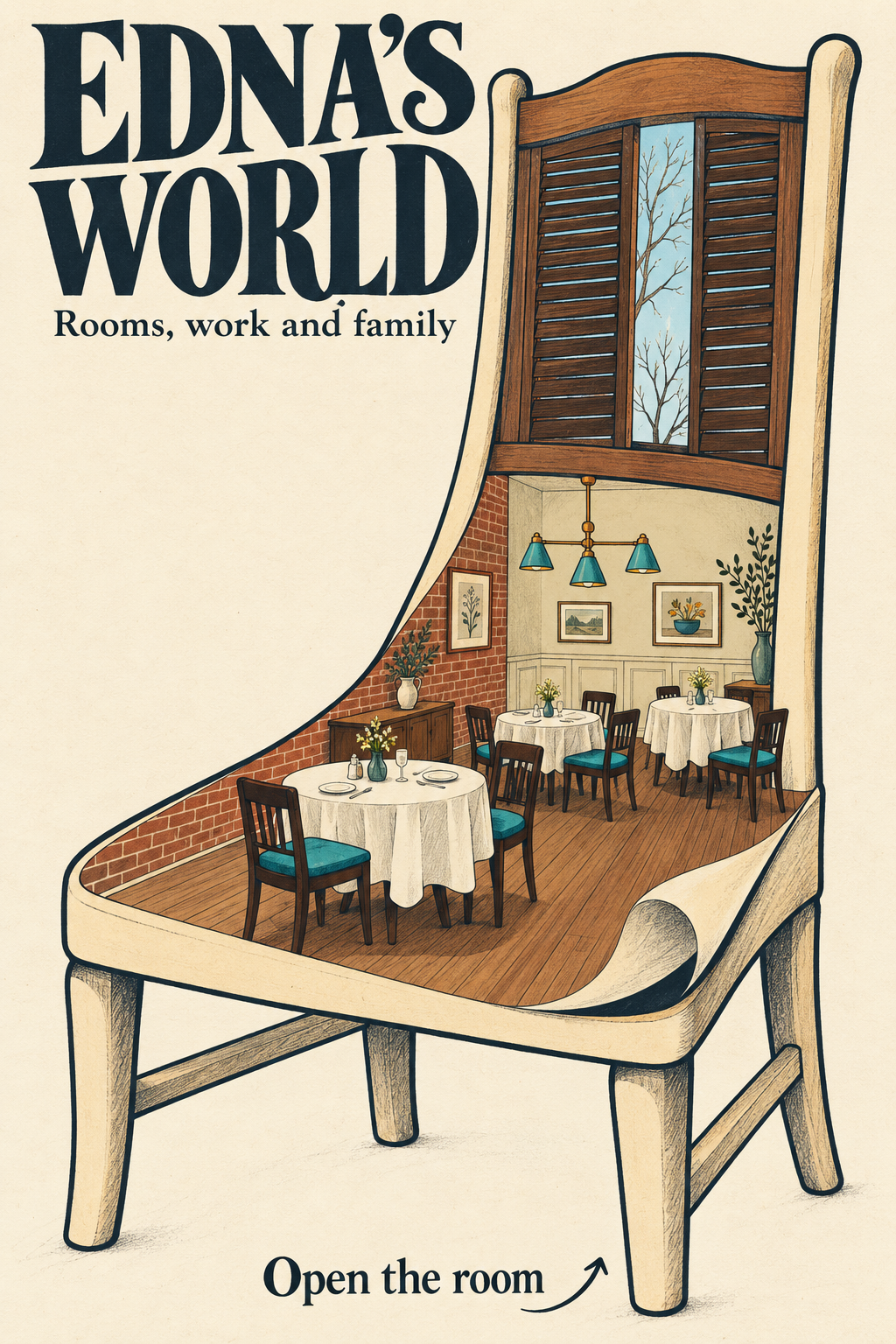
A strong cover did not mean that I had found the design for the rest of the experience. In the first version, the paper-chair idea more or less disappeared after the opening. The later sections returned to ordinary modules. The desktop composition was narrow, the music felt perfunctory, and I had only brought one room into color. I wanted to see what happened when paper, shutters, fabric and furniture became a visual language that continued through the issue.
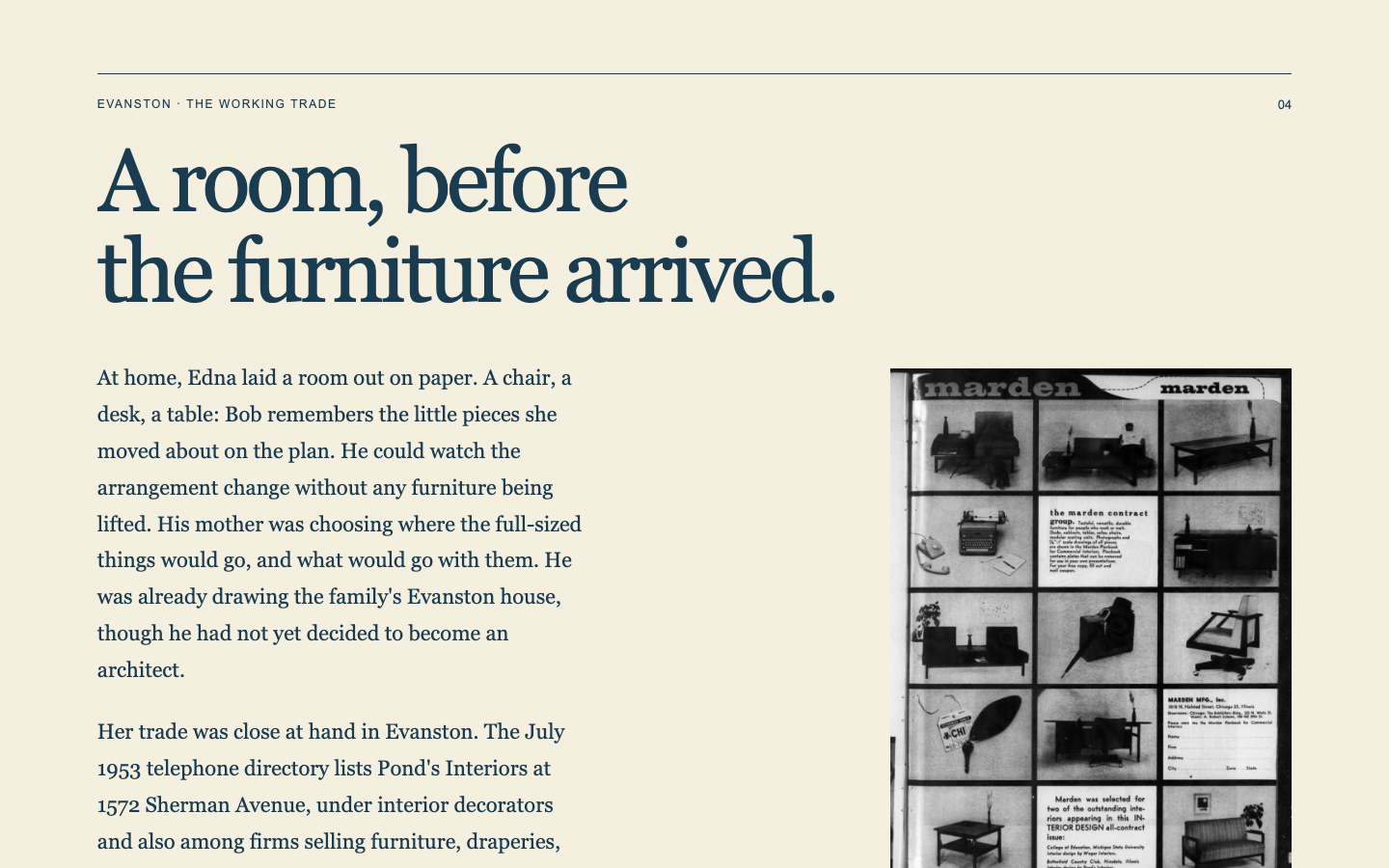
Earlier paper-room treatment
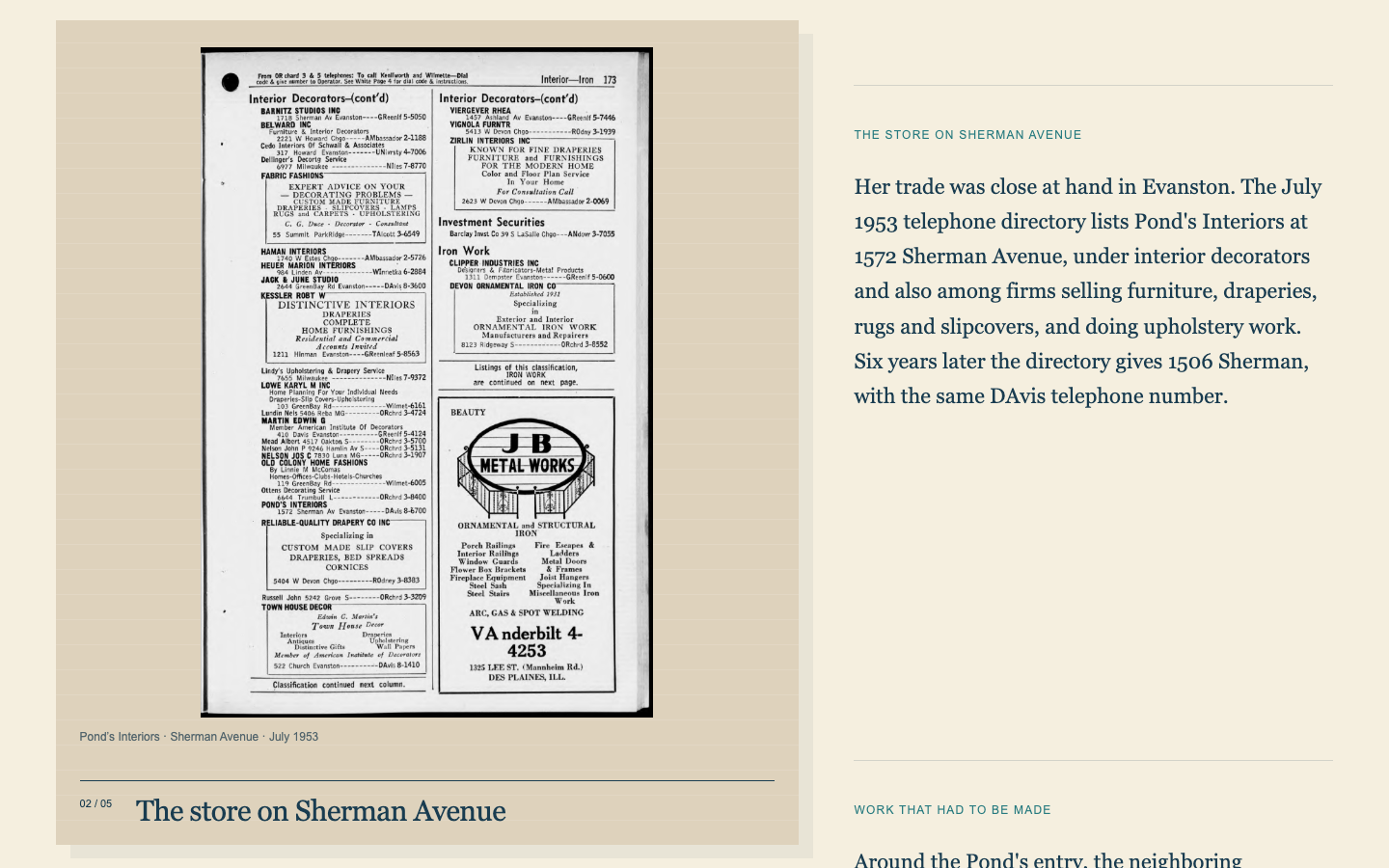
Revised paper-room treatment
I had gathered substantial material, yet some early versions still felt like documentation with decoration. The difference became obvious in the magazine sequence. A son remembers a publication he thought was lost. The reader finds it with him. The original pages appear. His mother’s interiors emerge in monochrome. Then his recollection of her command of color changes what we are looking for, and the room is gradually revealed in color. The research, evidence, voice, restoration, music and interaction all contribute to one unfolding discovery.
The writing also needs a wider field of research and a closer view of people. Family records alone leave too much of the world missing. If I want to understand someone’s life, I need to research the workplaces, schools, neighborhoods, industries, domestic arrangements, materials and professional practices around them. A directory can locate a business. A trade advertisement can explain how a designer worked. A magazine caption can recover colors and materials hidden by a black-and-white photograph. Period research becomes useful when it lets me reconstruct the circumstances in which a person acted.
At the same time, the prose should stay close to actions and particulars. Someone preparing food while another person worked; paper furniture being moved around a floor plan; upholstery, shutters and drapery being specified; thin carbon copies being typed. These details can reveal work, judgment, dependence and affection more precisely than abstract language about legacy or connection.
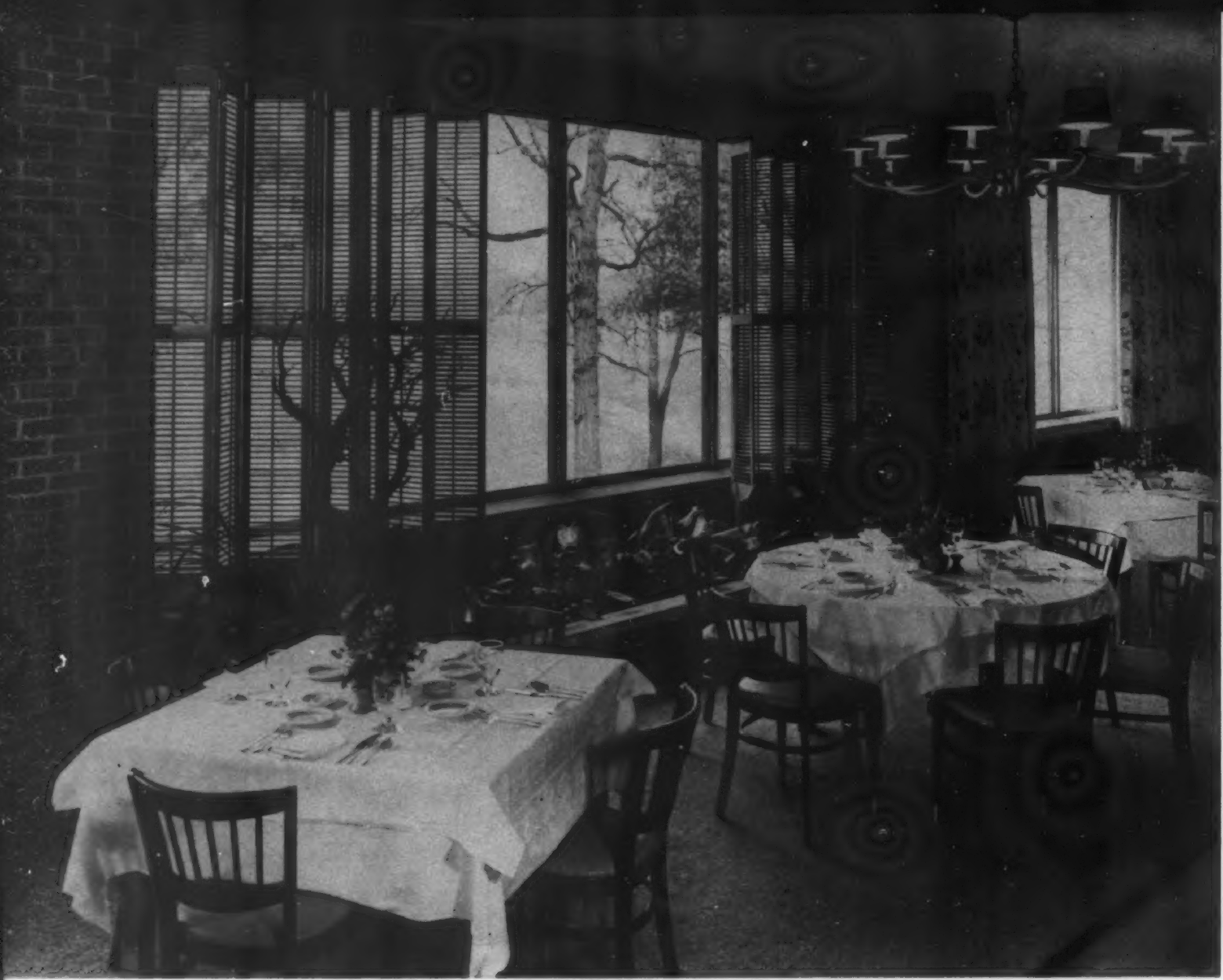
Historical monochrome photograph
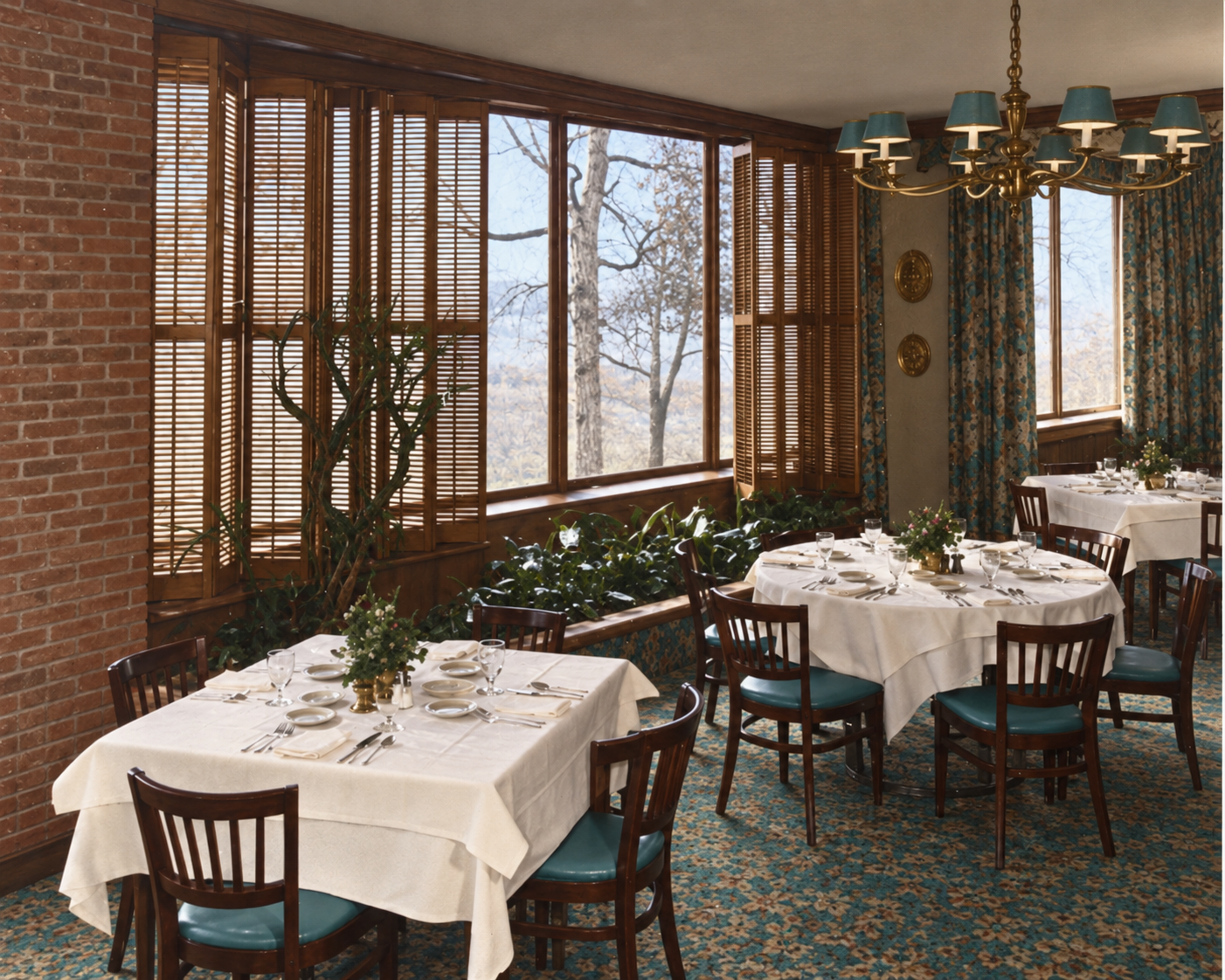
Later color interpretation
I also tried motion that I did not want to keep. Floating chairs and fabric swatches competed with the photograph. I rejected that treatment. The photograph needed to stay intact; the movement could happen in the paper, fabric and light around it.
Primary material also needs protection. A restored photograph should remain visually intact. Animation can live in the paper, fabric, light, typography or surrounding environment. Music can establish continuity; recorded voice can bring in a specific recollection; interaction can slow the reader down enough to notice. These elements should reveal the artifact rather than overwrite it.
The family’s actual questions should provide the narrative route. What do they remember? What do they still want to understand? What would a new piece of evidence change? I do not need to keep announcing the significance of each discovery if the questions themselves carry the reader forward.
This also changes what empathy means in the writing. Each person needs room to exist beyond the role they play in someone else’s story. Household labor deserves attention. Professional competence deserves attention. Conflicting family accounts deserve room. A difficult relationship should not become the explanatory key for every later scene. I can reconstruct the surrounding world generously while staying disciplined about what I attribute to a particular person. I should not invent private thoughts or put reconstructed memories into someone’s first-person voice.
The security-verification screenshot was a useful warning. A technically readable file can still be a completely invalid artifact. The same applies more broadly: a school index can be genuine and still be wrong for a bus encounter; a bridge can be beautiful and still be wrong for a cemetery visit. Technical validity does not establish editorial relevance.