Waiting
I arrive early, arrange my computer, and wait. Half an hour can pass before anyone else comes. My mind is surprisingly inventive about what that empty room might mean.
Read
“I'm still discovering what this work might become.”
Things I've noticed, questions I've followed, and things I've made along the way.
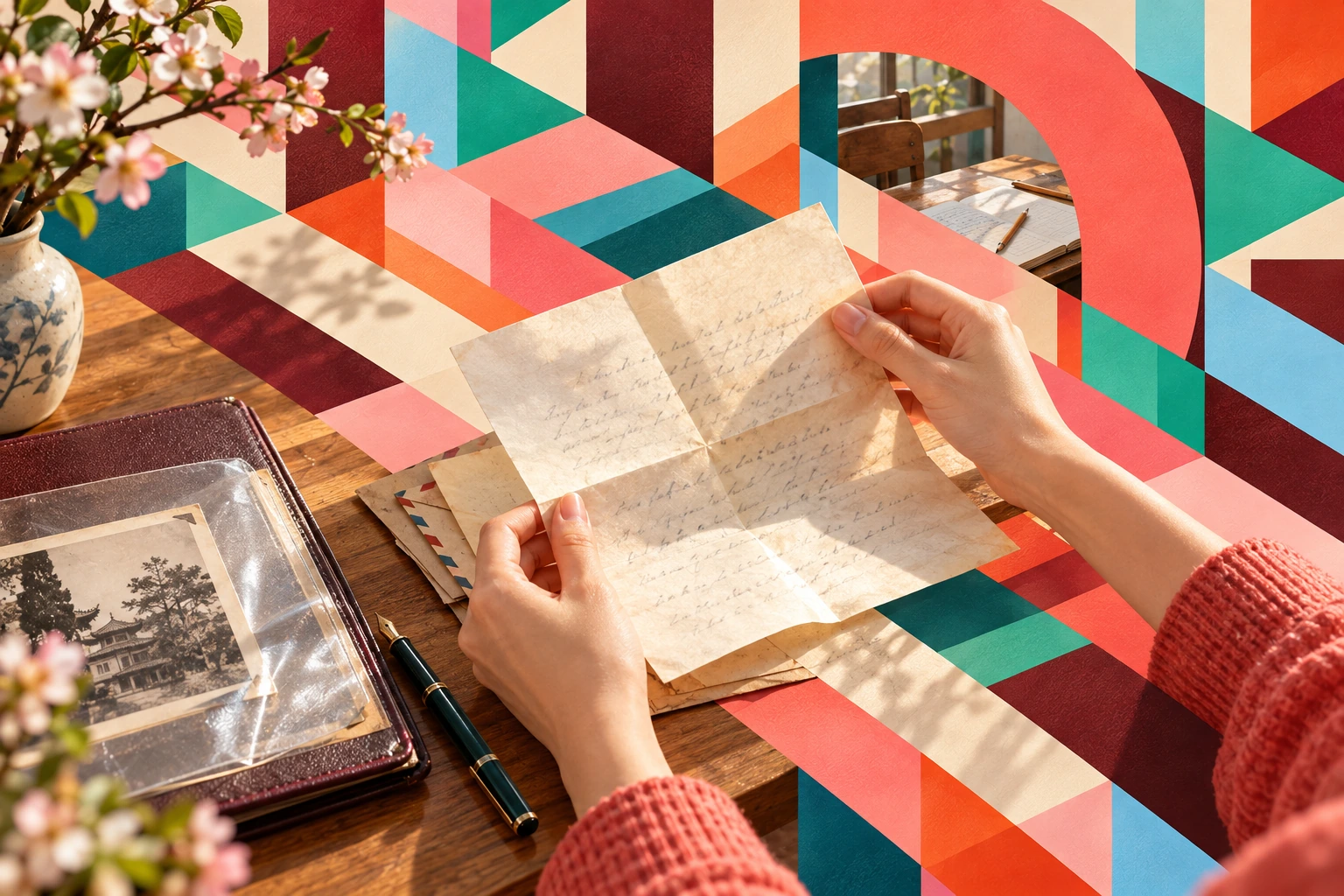
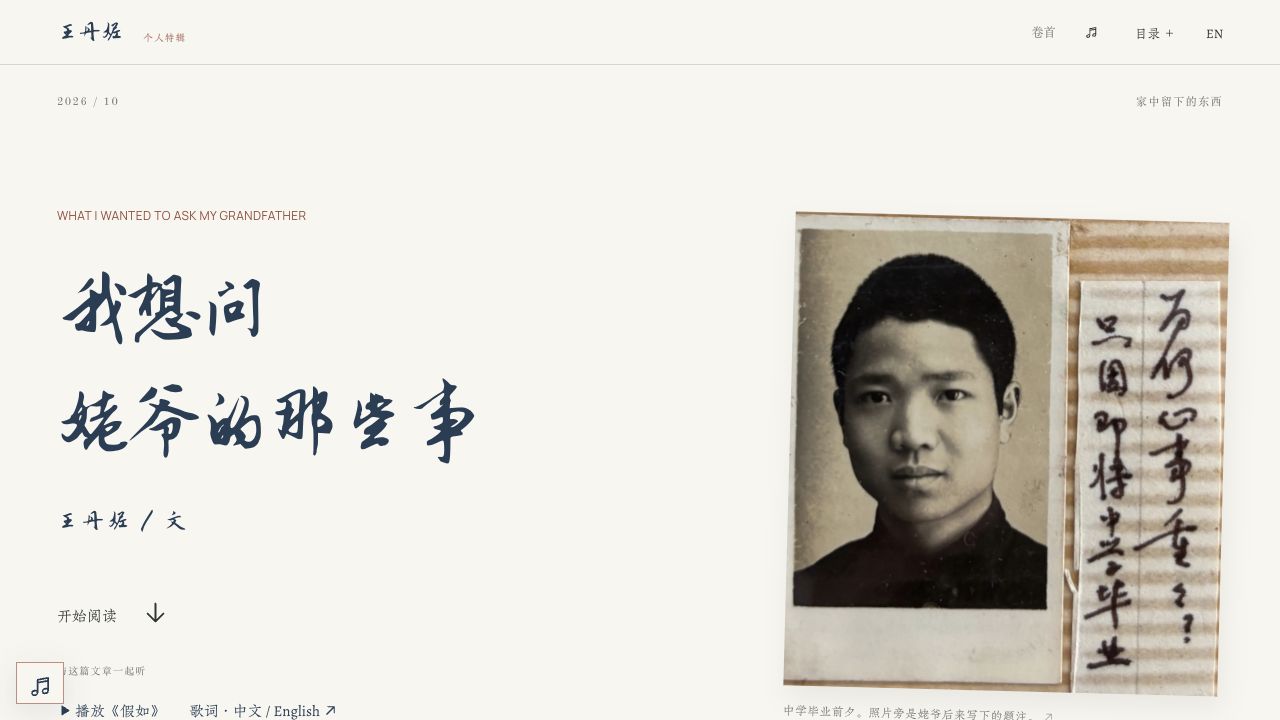
Explore my workTwo Dots,I began this essay for myself, and for the family who will come after me. Back in our old Shenyang apartment, I opened my maternal grandfather’s annotated photo album and returned to the letters he wrote when I was struggling at school. I had new questions for a man I could no longer ask.
The most absorbing part was discovering how those old pages still spoke to my present: leaving McKinsey, learning to work on my own, and helping my daughter study. His advice had acquired another reader, and another meaning. Writing let me think with him again.
I spent twelve years at McKinsey, working on complicated problems for large organizations.
These days, my questions often begin somewhere quite different: a conversation with someone I've just met, a book I know almost nothing about, a name scribbled on a piece of paper, or something my daughter says over breakfast.
I've spent the past two years building technology that allows me to follow these questions much further than I could before.
Sometimes the result is historical research. Sometimes it's music, writing, a film, an interactive world, or something I haven't learned how to make yet.
I particularly enjoy that last possibility.
A little about me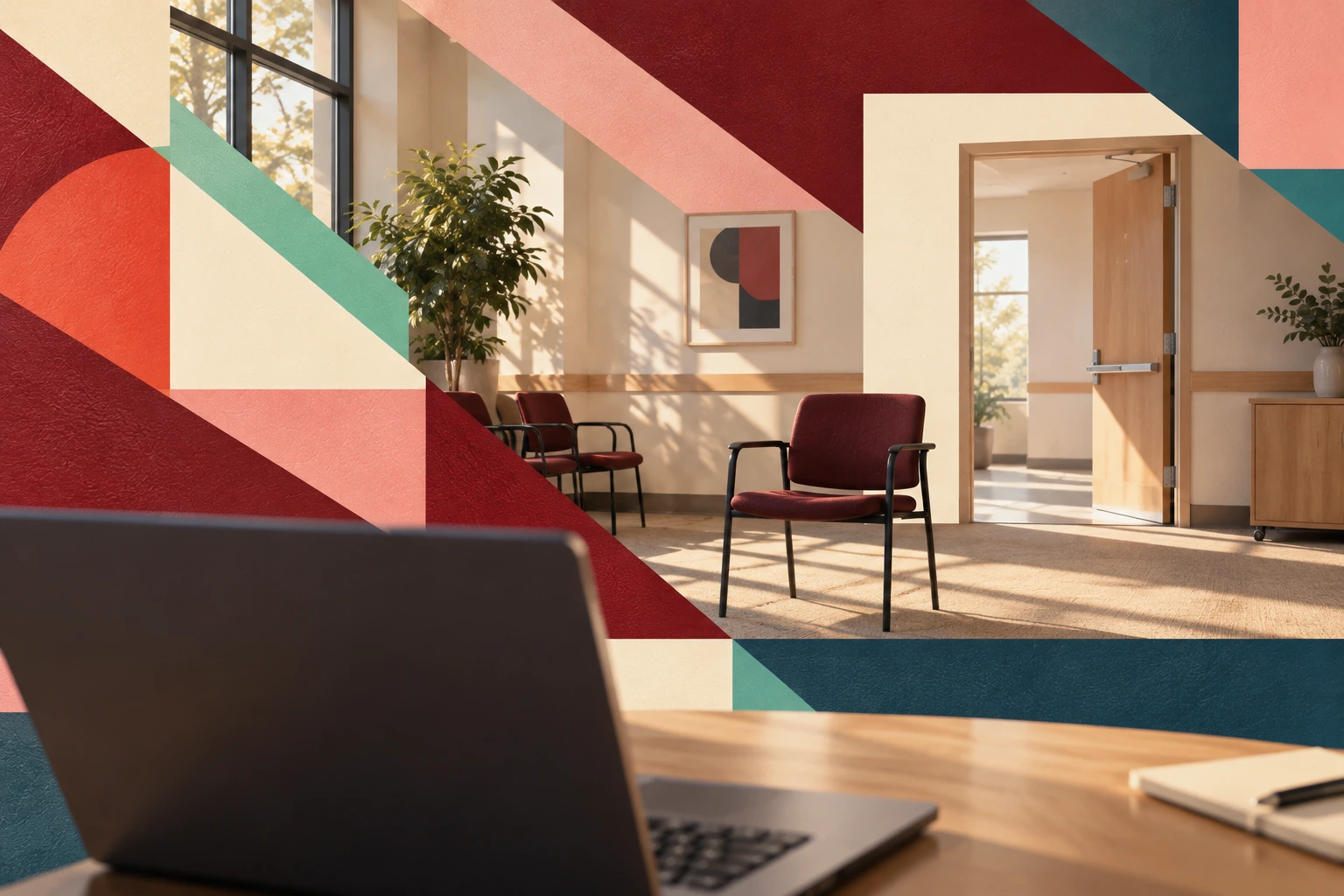
I arrive early, arrange my computer, and wait. Half an hour can pass before anyone else comes. My mind is surprisingly inventive about what that empty room might mean.
Read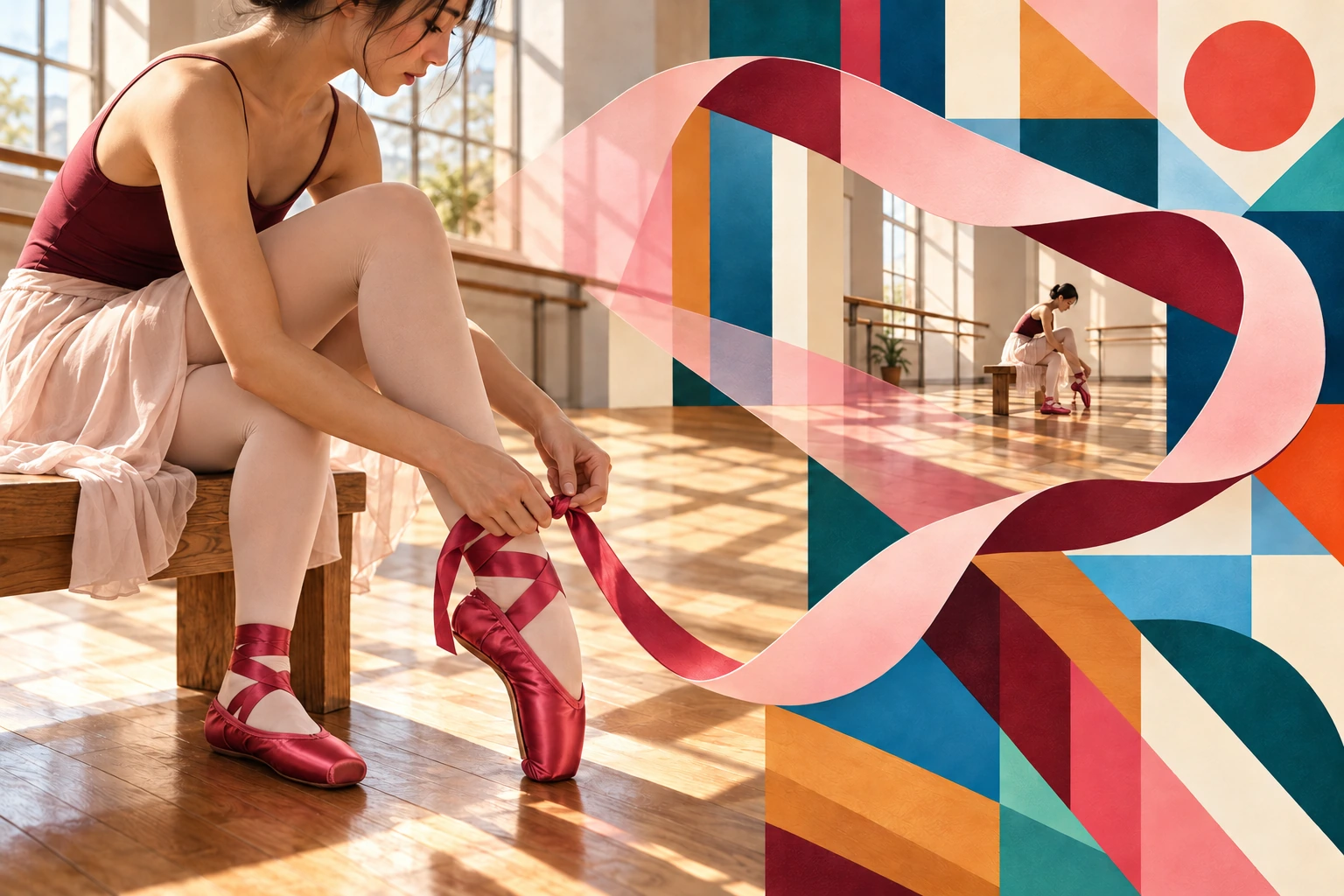
My daughter can already hum One More Idea. Listening with her sent me into a question about musical phrasing, movement, and what a familiar tune might let someone do next.
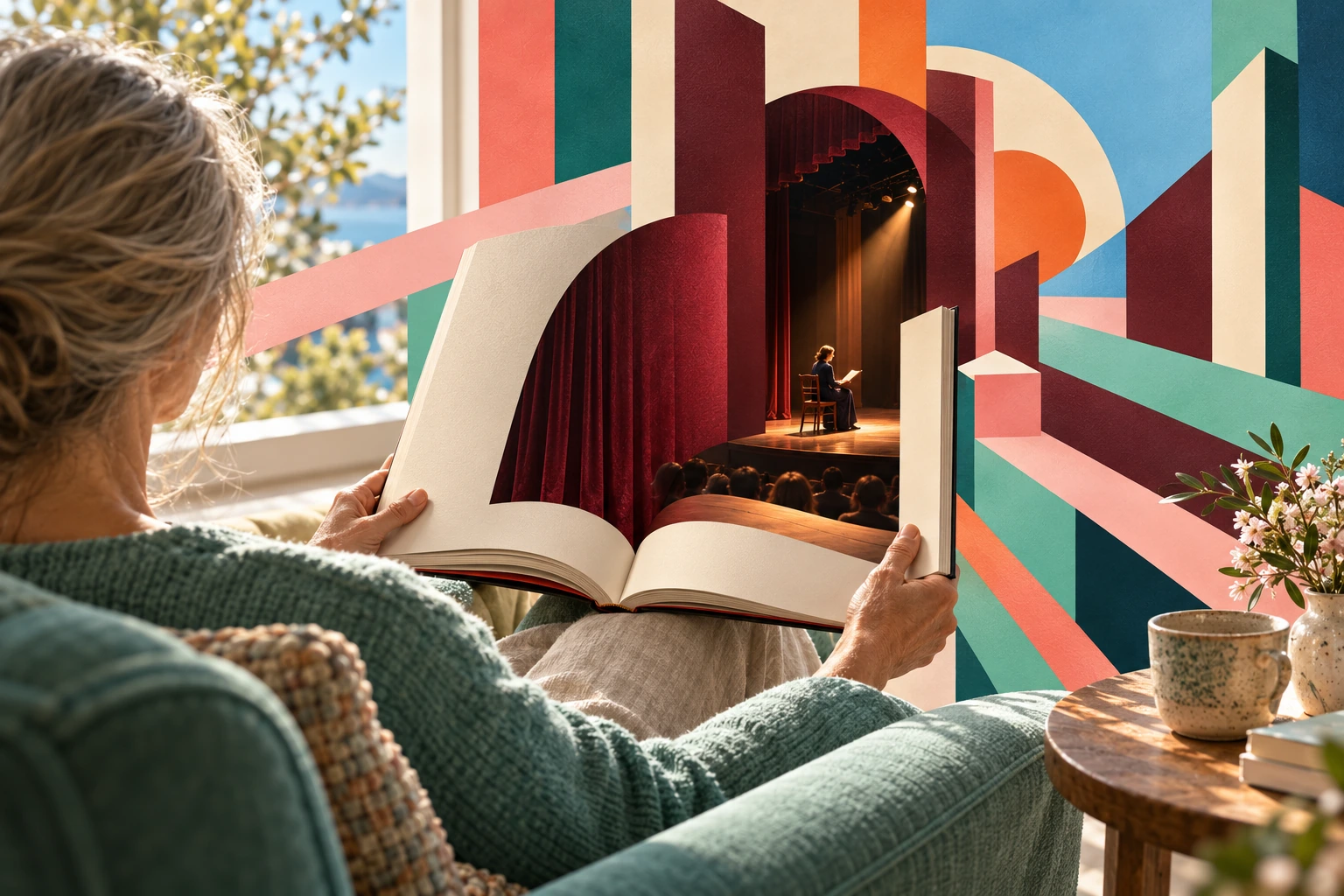
I brought a selection of art and writing into our conversation. Harold Bloom, Beethoven’s unsent letter, two clocks, and a snail we could not see gave us quite a lot to disagree about.

My friend finds the beat with his hands and his feet. An old film melody, Irish dancing feet, and an Indian dancer’s hands began to suggest a song I would never have found by choosing a genre first.
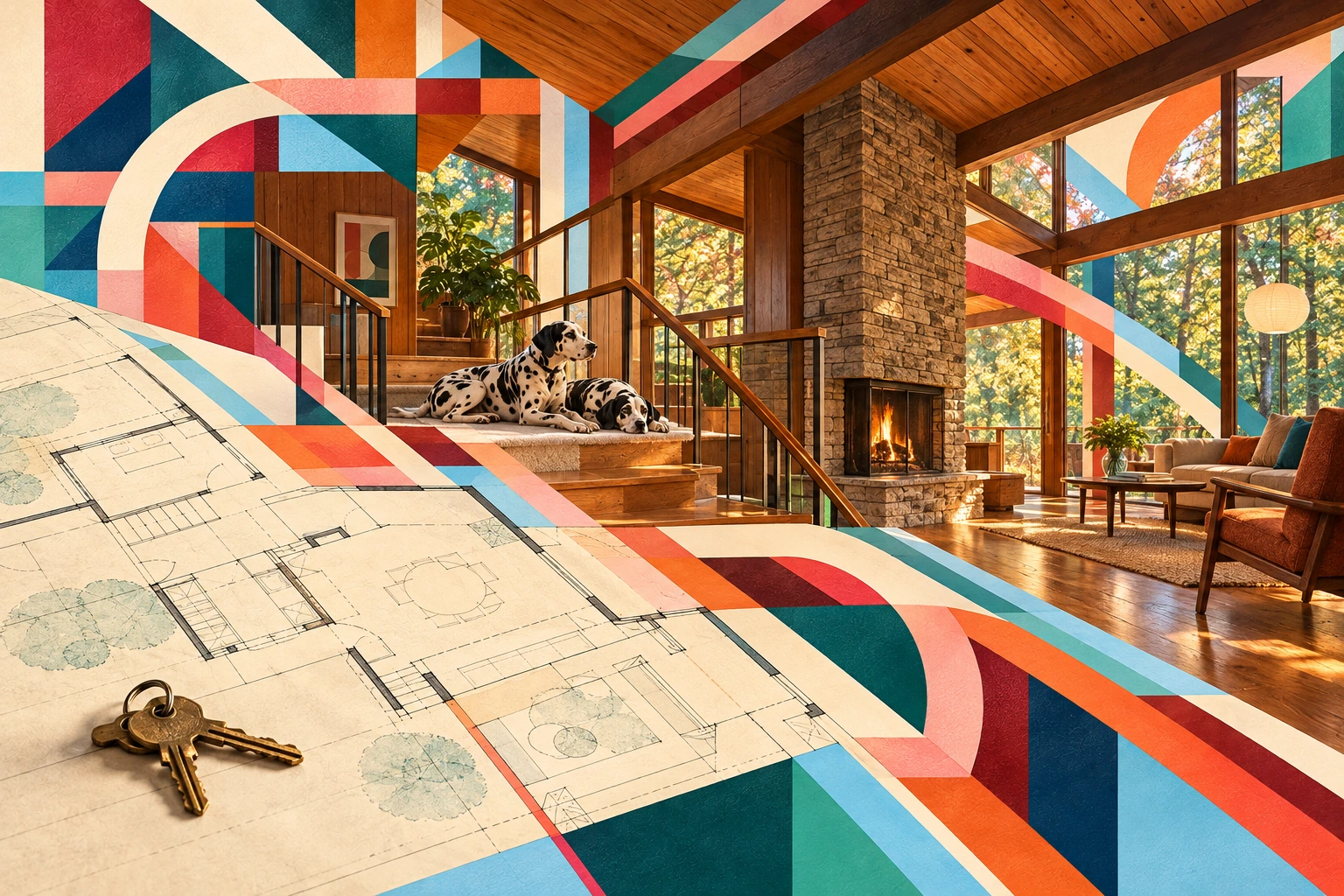
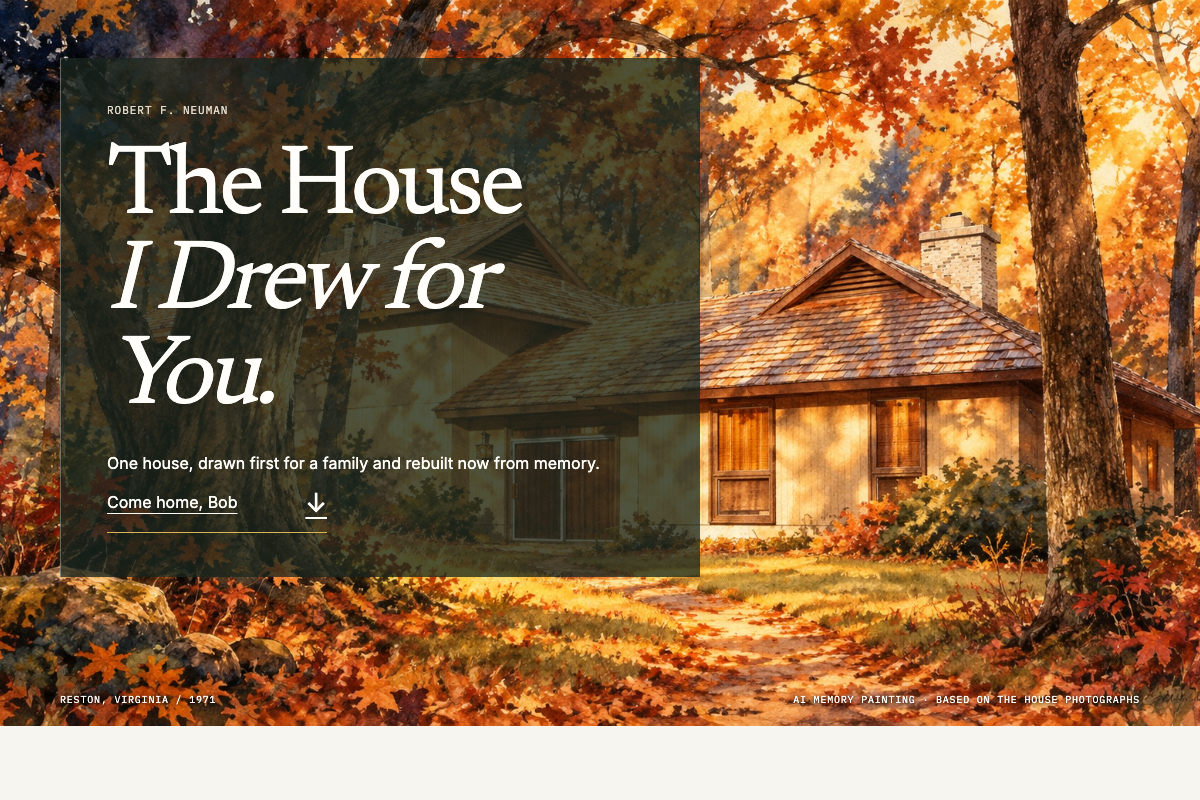
Bob brought me plans, slides, photographs and papers from his architectural career. I began making a special issue for him, then kept returning to the house he designed for his family: the trees he saved, the two Dalmatians on the landing, and his final walk through every room before handing over the keys.
I loved moving between the drawings and his recollections until architecture and fatherhood began to illuminate each other. That discovery gave the issue its song. Working through plans, spaces, photographs and music let me follow an idea into forms I had never tried before.
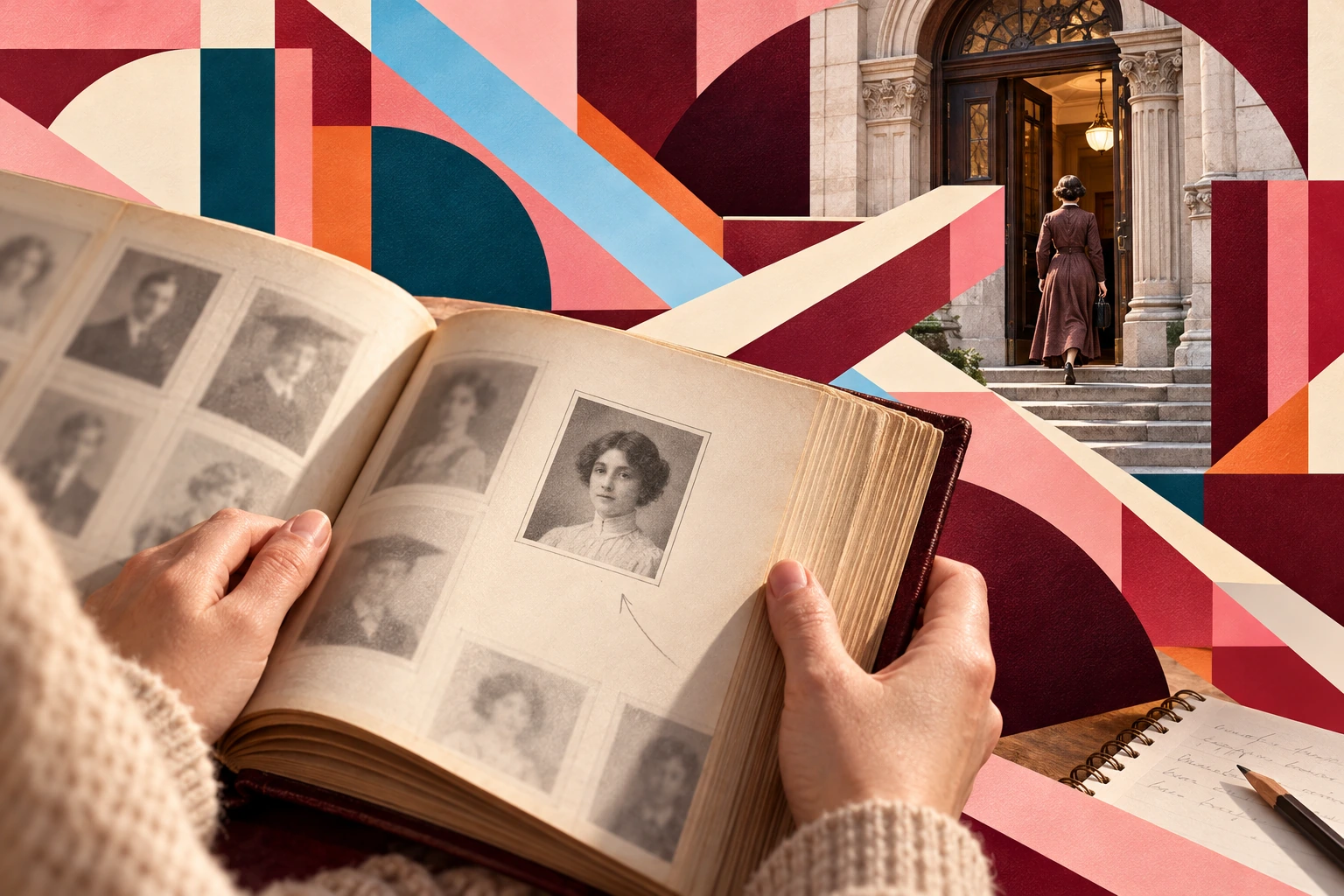
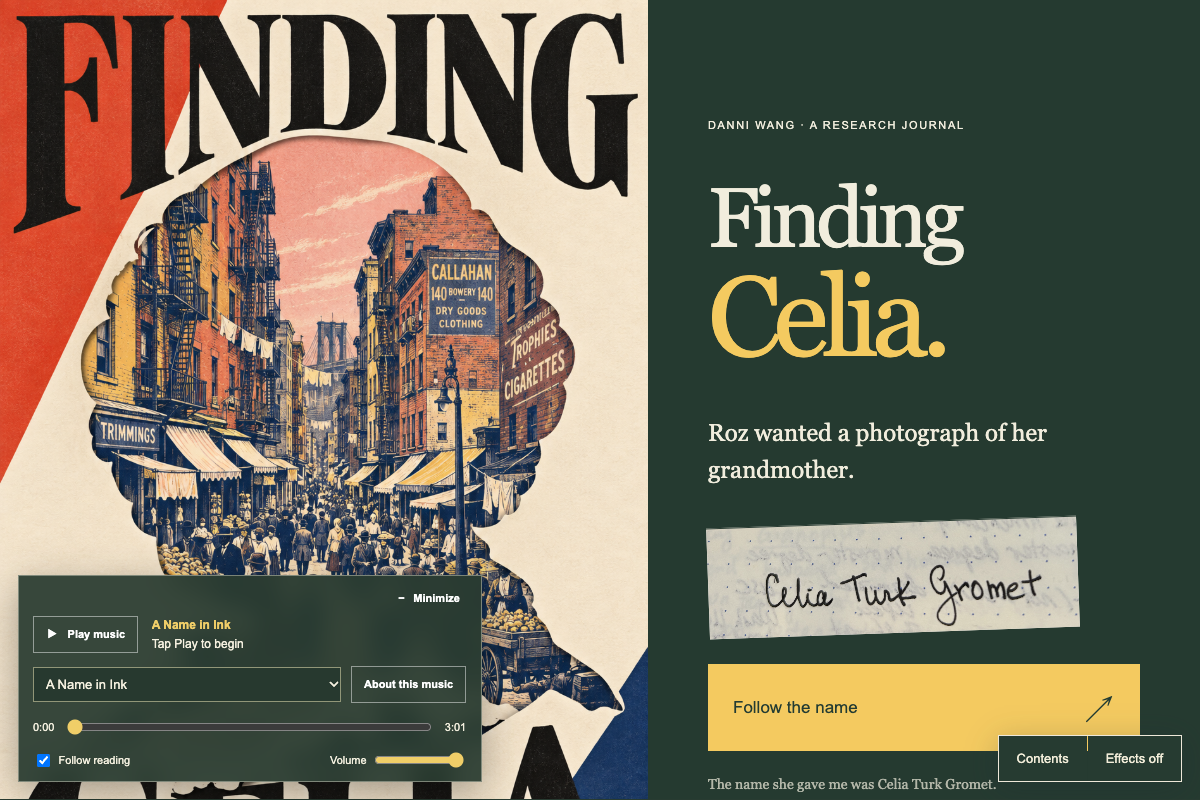
A granddaughter wanted a photograph of her grandmother, Celia Turk Gromet. A handwritten name became the beginning of a search through marriage records, directories, dental-school archives and a 1918 yearbook. I made Finding Celia so she could follow that search and meet the young woman who existed before the grandmother she remembered.
I loved the moment when a document changed the relationship: Celia became younger, and she could become her granddaughter again. That led me from archival detective work into an imagined conversation and a bright pop finale, with the historical evidence and the invention kept visibly distinct.
Pulling the Bends Straight
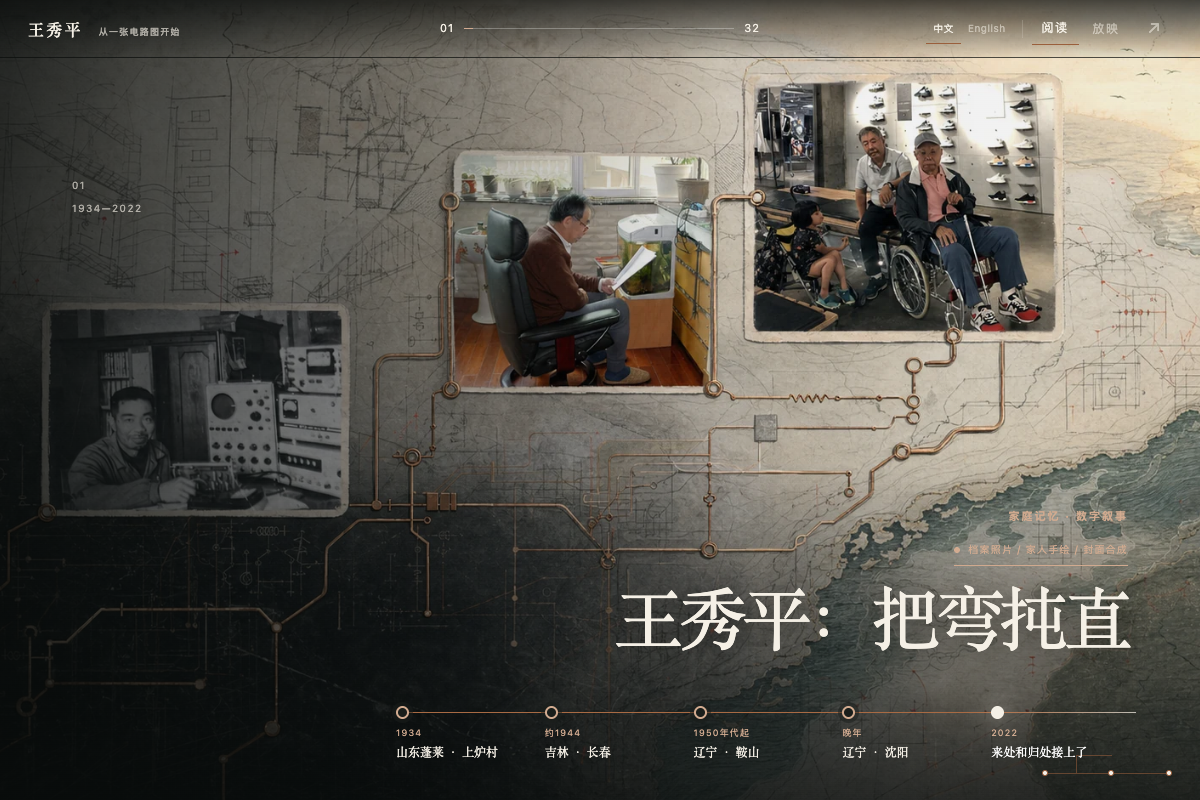
I made this special issue for my family, bringing together our accounts of my paternal grandfather, Wang Xiuping. His life runs through a difficult childhood, electrical work, painting, and the things he made and repaired at home. It begins with the circuit diagram he helped me understand: “Pull the bends straight.”
I loved seeing relatives’ different memories restore the same place. A visit to the old Hongyibian courtyard became photographs, a pencil plan, my aunt’s painting, and then scenes we could revisit together. The handmade sofa, the grape arbor and the little acts of care gave me more to work with than a list of milestones ever could.
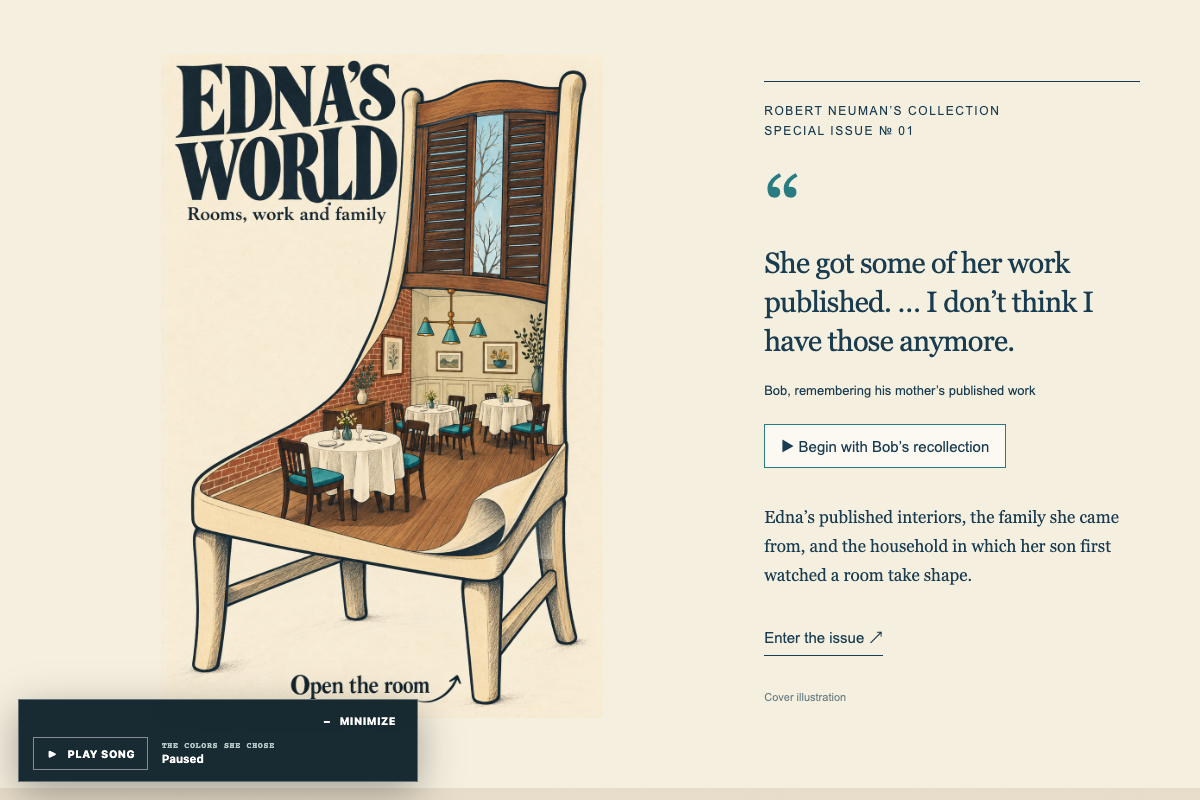
Bob remembered that his mother, the interior designer Edna Alcorn, had had her work published, but thought he no longer had the magazine. I made this special issue for him by following that recollection back to her credited interiors in the October 1959 issue of Interior Design, and outward into the rooms, work and family that shaped her world.
The pleasure was in turning research into a discovery Bob could enter: his voice, the magazine, the original black-and-white rooms, then an imagined return of their color. His memory of making little paper furniture also gave me the cover’s impossible chair, with a whole room inside it.
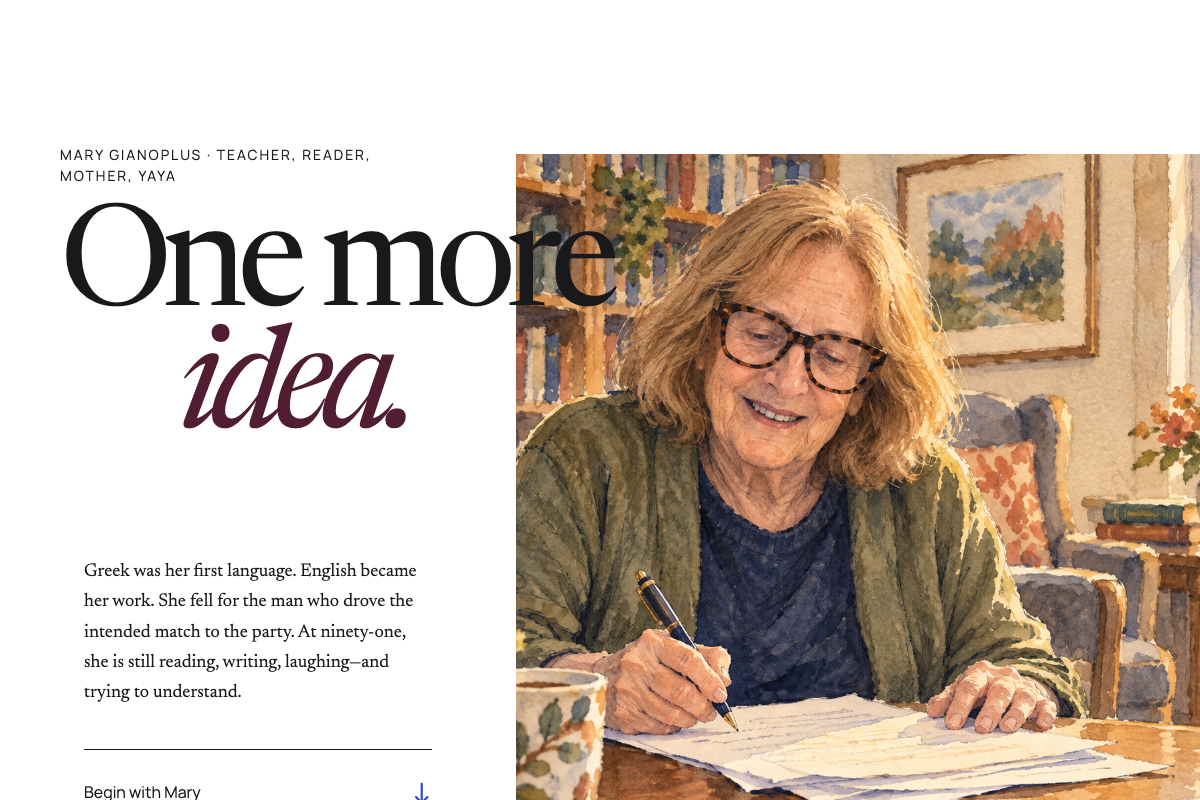
Mary is a teacher, a reader and a writer who still meets a friend in the library to write. I wanted this first illustrated telling to follow the movement of her curiosity: a remembered classroom, a joke, one thought prompting another.
What I enjoyed most was following her curiosity rather than imposing a finished life story. Research, illustration and a song gave me different ways to follow those thoughts, and something to bring back to our next conversation.
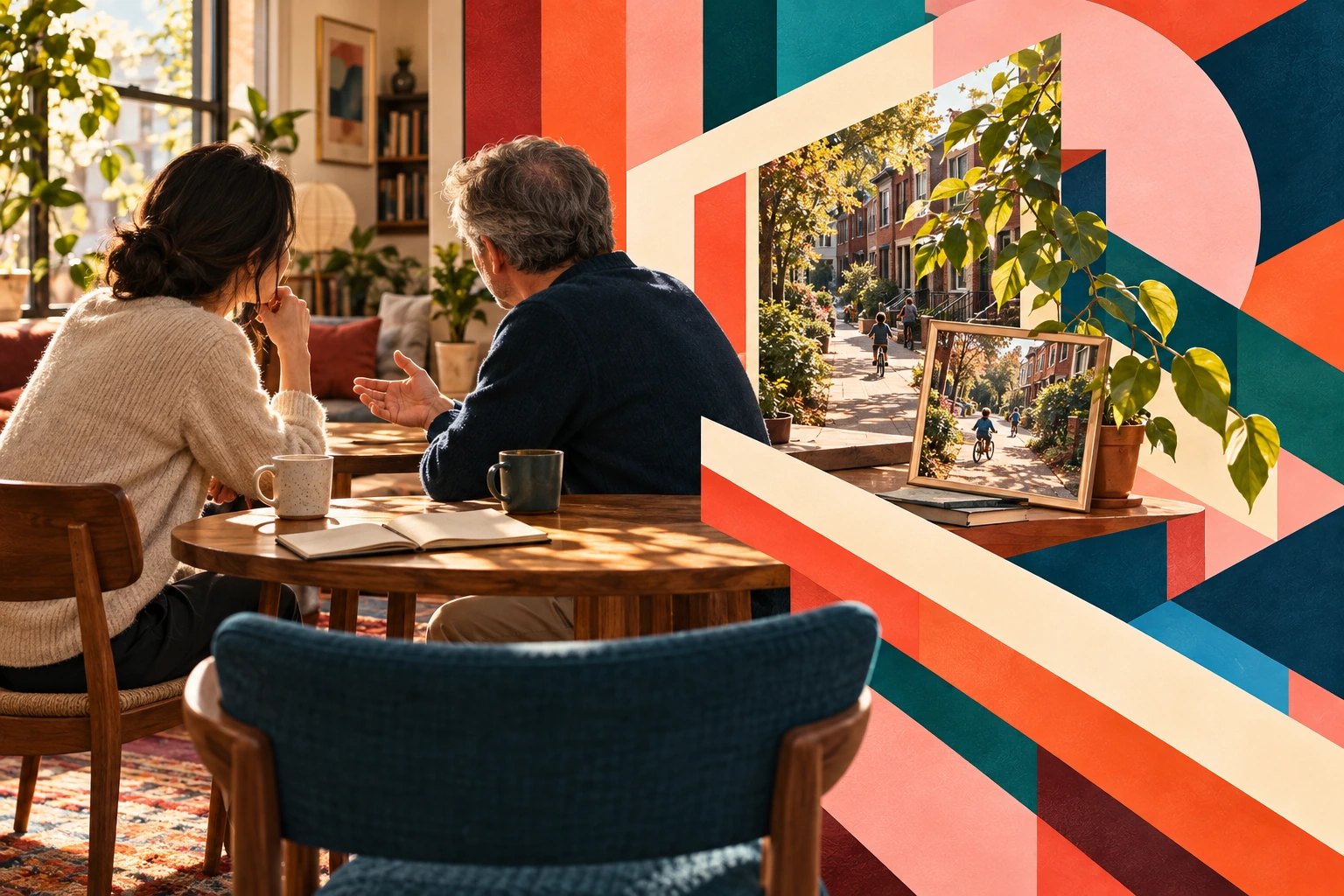
I did not lack curiosity about my parents and grandparents. I lacked sustained attention. An outsider can ask a question so obvious that nobody who grew up in that house would think to ask it.
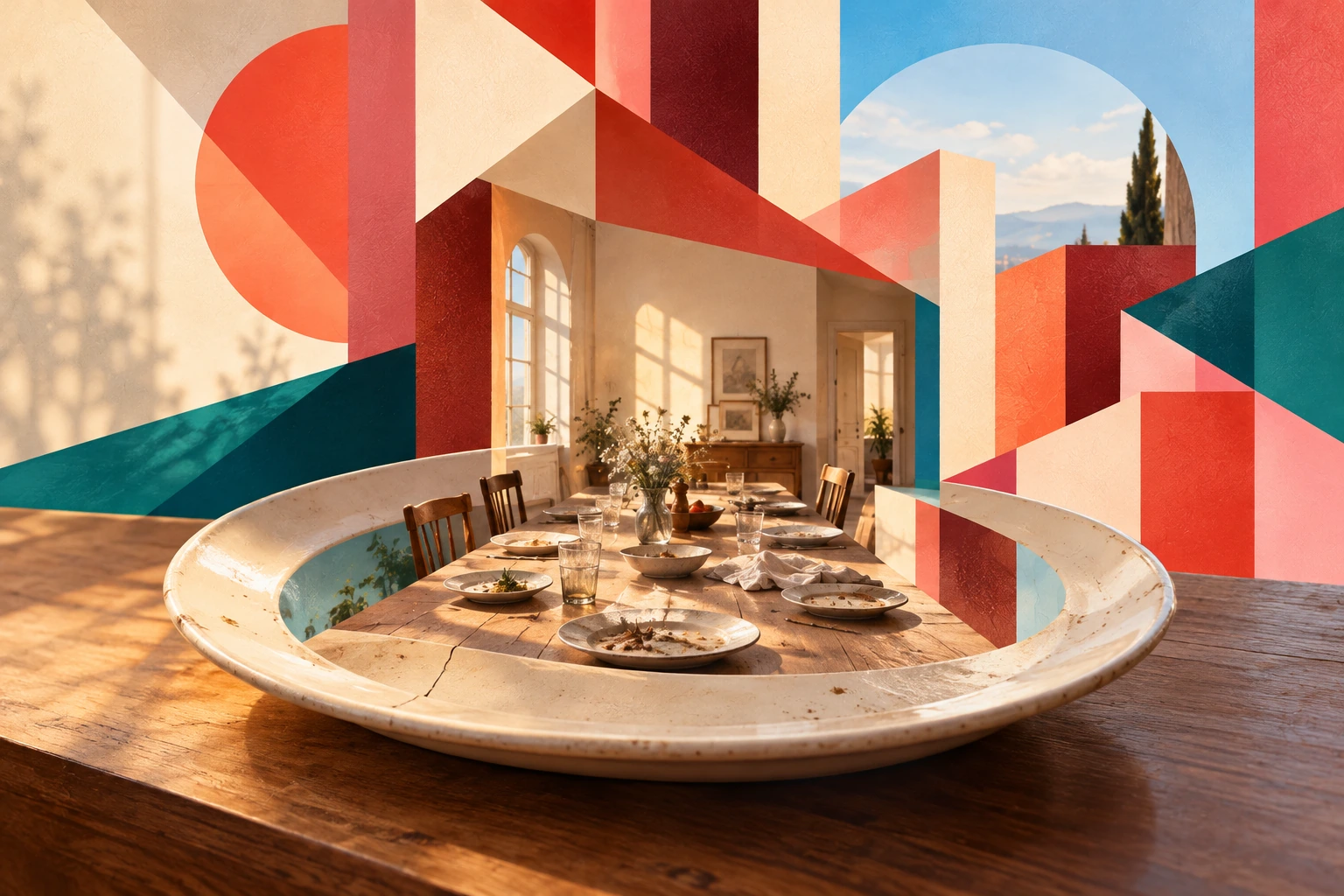
A serving platter that appeared at thirty family Thanksgivings may become “serving platter — $25” at an estate sale. I keep thinking about the dinner table it belonged to, and what might travel with it into the next chapter.
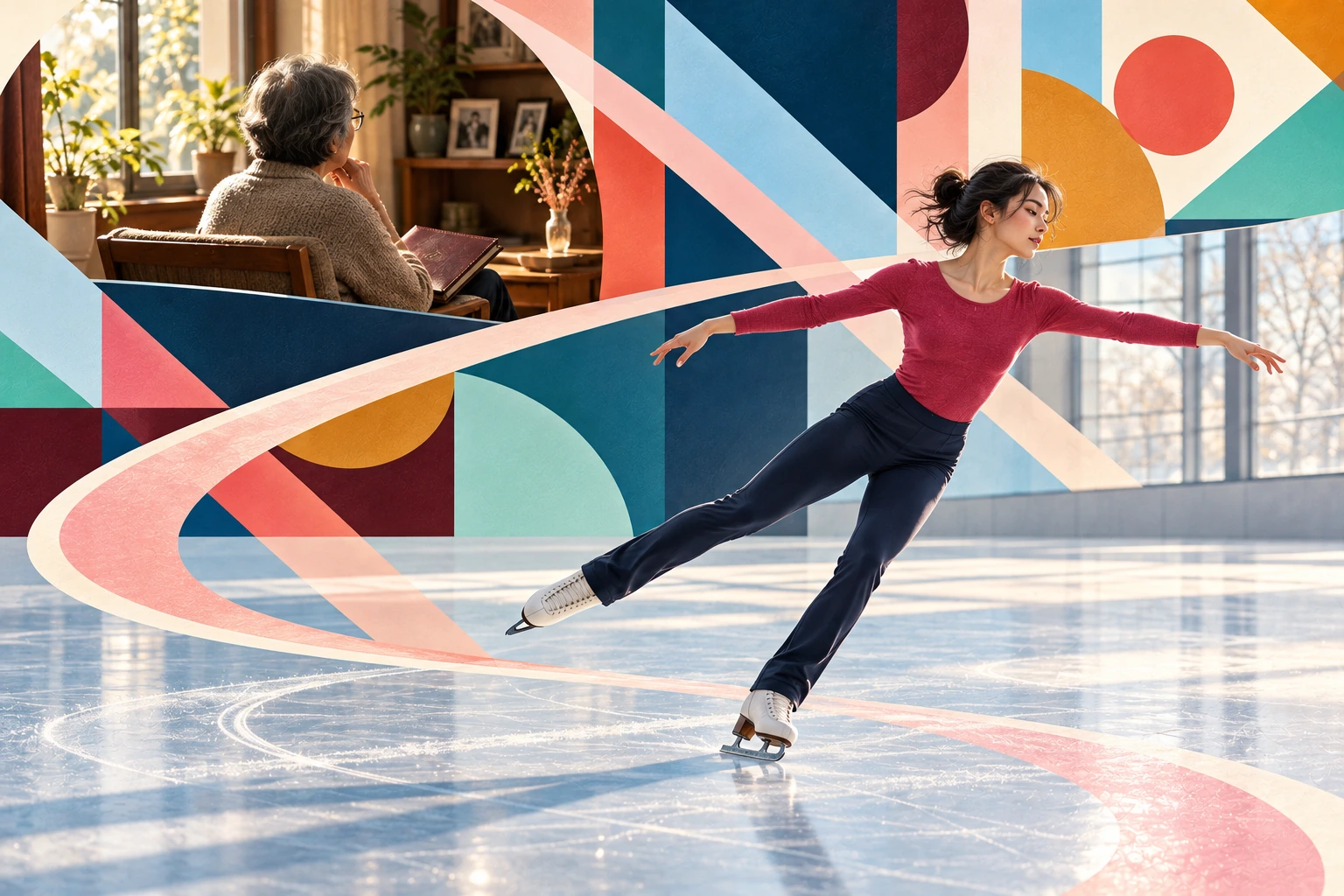
“Mom, why are you so brave now?” Vivian asked while we were putting on our ice skates. I hadn’t thought of myself as particularly brave.
I enjoy meeting people whose experiences and interests are different from mine.
I'm particularly interested in the things someone mentions almost in passing—the details that make me wonder what else might be worth discovering.
If you've explored some of my work and feel we might have an interesting conversation, I'd be happy to hear from you.
Start a conversationYou can also learn about the personal experiences I create.